Unified Loyalty Systems Redefining Player Retention in Roulette and Slot Tournaments
Uma Vogel · May 16, 2026
Unified Loyalty Systems Redefining Player Retention in Roulette and Slot Tournaments
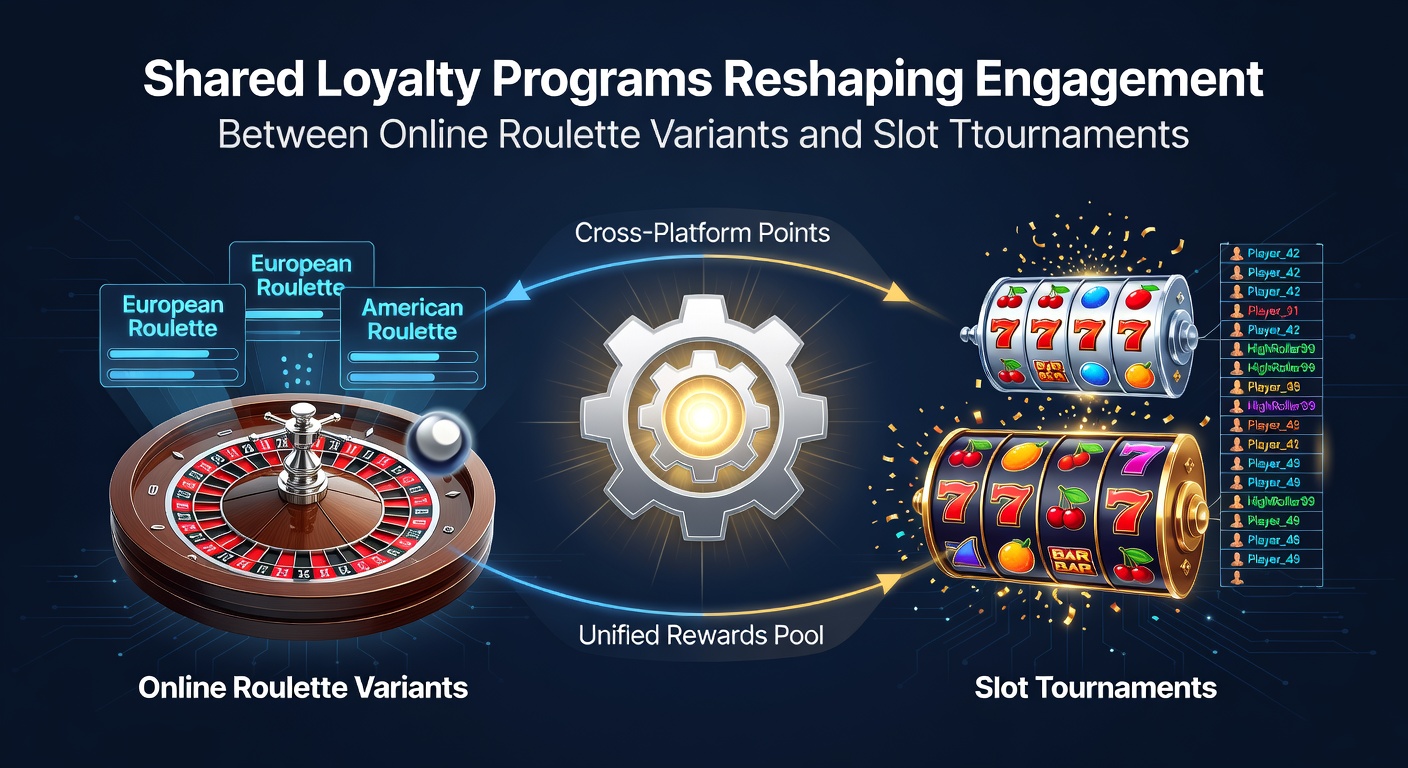
Shared loyalty programs have started linking online roulette variants with slot tournaments in ways that change how players move between these formats throughout 2026. These systems allow points earned in European or American roulette tables to transfer directly into tournament entries or multiplier bonuses on slot machines, creating pathways that keep participants active across both categories. Operators report that such integration encourages longer sessions because rewards accumulate faster when activities combine rather than remain isolated.
Data collected by industry analysts shows participation rates in cross-format events rising steadily since early 2025, with May 2026 marking a noticeable uptick after several major platforms rolled out unified dashboards. Players can track progress toward tier upgrades using a single balance that reflects spins on roulette wheels and competitive rounds in slot brackets alike. This setup reduces the need to switch accounts or restart progress meters when shifting from one game type to another.
How Integration Works Across Game Types
Program structures typically assign base points per wager amount, yet they apply multipliers when participants complete challenges that span both roulette variants and slot competitions. For instance, achieving a specific sequence in French roulette might unlock bonus spins valid only within an ongoing tournament bracket, while strong finishes in slot events contribute toward roulette cashback tiers. Developers achieve this through centralized databases that sync activity in real time, allowing seamless transitions without manual redemption steps.
Regional gaming authorities in several jurisdictions have begun reviewing these models to confirm they maintain fair play standards. Reports from the Nevada Gaming Control Board highlight how shared ledgers help auditors trace point origins across multiple titles, reducing discrepancies that once appeared when separate systems operated independently. Similar oversight appears in Australian markets where state regulators require transparent algorithms for point conversion rates.
Player Behavior Patterns Emerging in 2026
Observers note that individuals who previously specialized in one format now explore the other more frequently once loyalty bridges exist. A player focused on roulette variants might enter slot tournaments to accelerate tier advancement, while regular slot competitors test roulette tables to unlock exclusive entry passes. This crossover effect appears most pronounced during promotional windows when operators double points on combined activity.
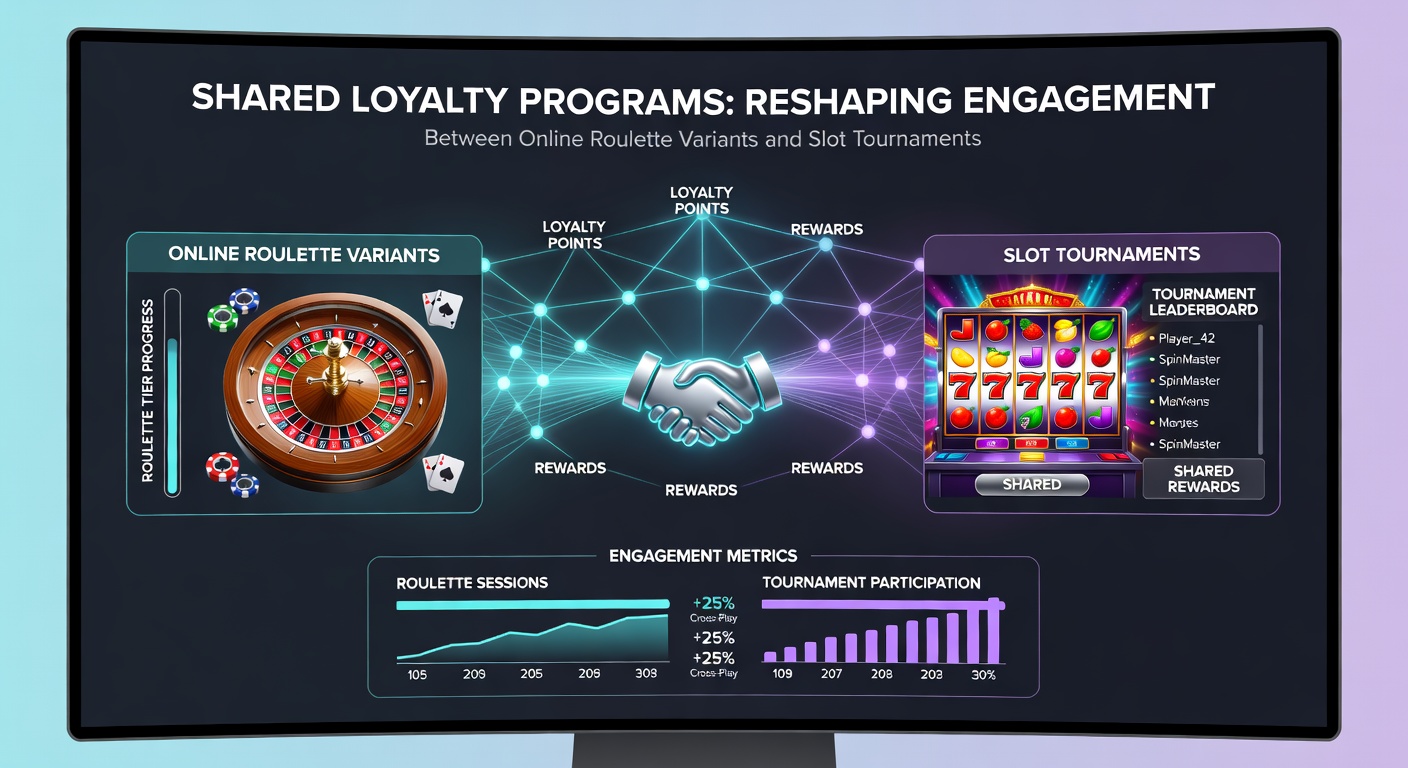
Figures from the International Center for Gaming Regulation indicate that average session length increased by measurable margins after platforms introduced unified tracking in the first quarter of the year. Retention metrics improved because players could maintain momentum across formats instead of pausing when one game type lost appeal temporarily. Tournament organizers have responded by designing hybrid leaderboards that award partial credit for roulette performance when calculating slot standings.
Technical Foundations Supporting Cross-Format Rewards
Backend systems rely on application programming interfaces that connect game servers with a master loyalty engine. Each roulette spin or slot tournament round sends data packets containing wager details and outcome flags, which the engine converts into standardized points. Security protocols encrypt these transfers to prevent tampering, while built-in audit trails satisfy compliance checks from bodies such as the Malta Gaming Authority.
Developers continue refining algorithms that balance reward distribution so neither format loses appeal. Early implementations faced criticism when roulette activity generated points too quickly compared with slot brackets, yet adjustments implemented by April 2026 equalized earning curves. These refinements rely on aggregated usage statistics rather than individual profiles, preserving privacy while optimizing overall engagement.
Regulatory Considerations and Industry Standards
Gaming associations across North America and Europe have issued guidelines encouraging operators to disclose conversion rates clearly within user interfaces. The Canadian Gaming Association published recommended practices in late 2025 that stress equitable treatment when points move between chance-based and skill-influenced elements. Compliance teams now incorporate these shared programs into routine testing schedules to verify random number generators remain unaffected by loyalty calculations.
Operators that adopted unified platforms early report smoother interactions with regulators because centralized records simplify reporting requirements. Yet smaller platforms still face integration costs that delay rollout, creating a temporary divide between large networks and independent sites. Market analysts expect this gap to narrow as software providers release standardized modules compatible with multiple game engines.
Conclusion
Shared loyalty programs continue evolving as platforms refine how they connect roulette variants with slot tournaments. Current implementations demonstrate measurable shifts in session patterns and retention data through 2026, driven by synchronized point systems and hybrid competition structures. Regulatory frameworks in multiple regions now address these models directly, requiring transparency that supports fair operation across formats. As technical standards mature, further connections between game categories appear likely, with existing patterns suggesting sustained interest from participants who value consolidated progress tracking.