Timing Influences on Enthusiasm Shifts Between Disk Rotations and Symbol Spins in App Driven Events
Uma Vogel · Aug 15, 2026
Timing Influences on Enthusiasm Shifts Between Disk Rotations and Symbol Spins in App Driven Events
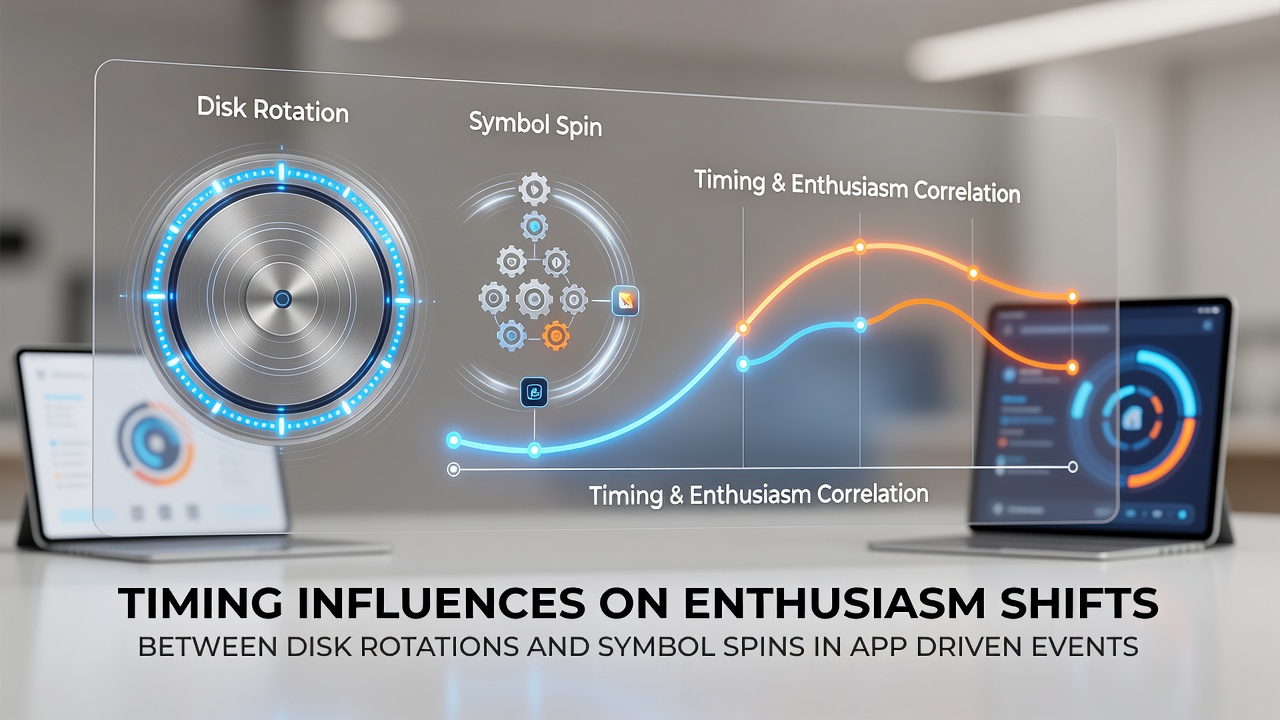
App developers track how players move between disk rotation mechanics and symbol spin formats because timing directly affects engagement levels across both categories. Data collected from multiple platforms shows clear patterns where enthusiasm rises for one format while dropping for the other depending on hour of day, day of week, and specific event schedules.
Daily Timing Patterns Shape Format Preferences
Studies of mobile user logs reveal that disk rotation games draw higher participation during evening windows between 7 PM and 11 PM local time, while symbol spin sessions peak in shorter midday and early afternoon blocks. Researchers analyzing activity across several major apps found that wheel-based events maintain steadier session lengths once started, whereas reel games attract quick visits that users often repeat within the same hour. These shifts occur because players match game duration to available time slots rather than switching based on preference alone.
August 2026 brought new data releases from platform analytics firms that confirmed earlier findings from 2025 reports, showing consistent evening migration toward disk rotations during coordinated app challenges. Observers note that promotional timing windows placed right after standard work hours accelerate this movement, because users seek longer interactive sequences once daily routines conclude.
Weekly Cycles and Event Scheduling Effects
Weekend patterns differ markedly from weekday ones, with symbol spin activity rising on Saturday mornings while disk rotation events gain traction on Sunday evenings. App operators coordinate these differences by launching targeted challenges that reward transitions between the two formats during specific windows. Figures from industry monitoring services indicate that users who begin with reel spins on Friday afternoons frequently complete the weekend by moving into wheel sessions once longer play periods become available.
One analysis of event participation rates demonstrated that scheduled app-driven tournaments produce measurable enthusiasm transfers when start times align with natural daily transitions. Players who enter reel-focused competitions early in the week often shift toward disk rotation leaderboards as the week progresses because cumulative playtime increases.
Event Triggers and Cross-Format Movement
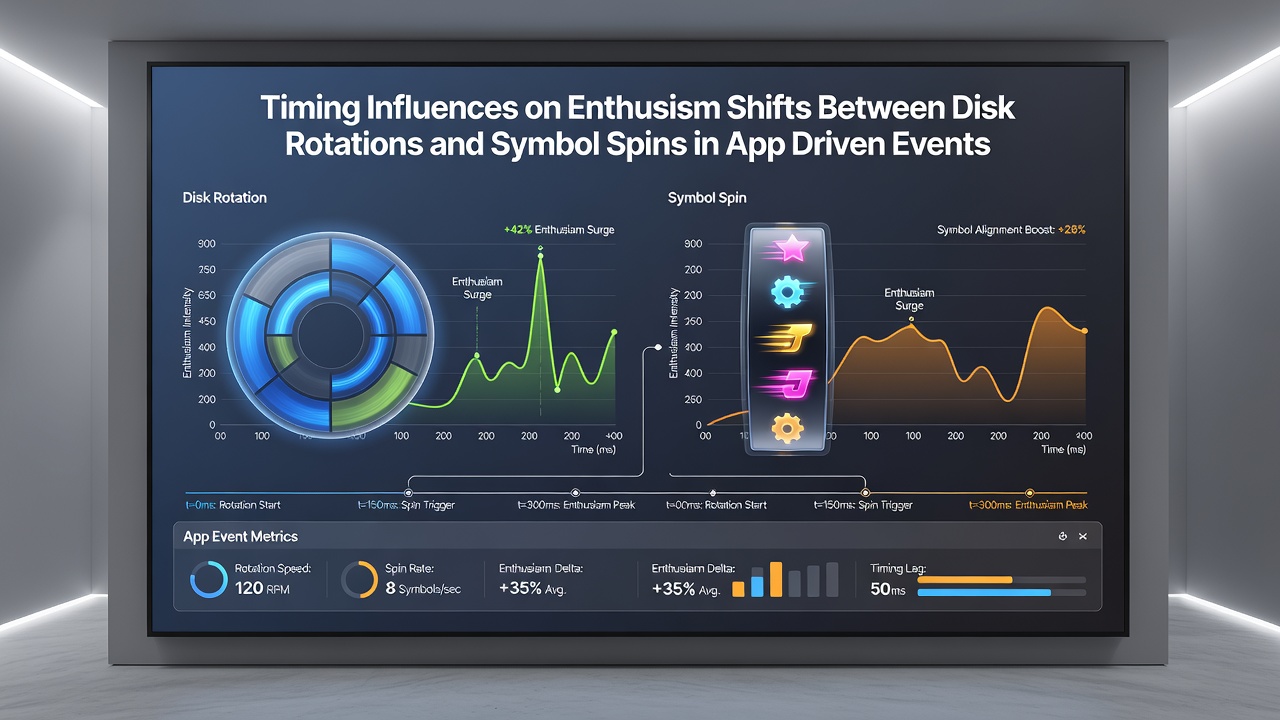
App-driven events that combine both formats create documented migration routes where timing determines which mechanic receives more attention. Research from academic centers tracking user behavior shows that bonus rounds tied to wheel outcomes draw participants away from reel play when events launch after 8 PM, whereas reel-heavy multipliers pull users during lunch periods. These movements appear consistent across regions because the underlying time constraints remain similar regardless of geography.
According to reports issued by the Australian Gambling Research Centre, coordinated challenges that reset daily at midnight produce distinct enthusiasm peaks for disk rotations on subsequent evenings. The same studies note that symbol spin engagement climbs when events include frequent small rewards that fit brief daytime sessions.
Regional Data and Platform Comparisons
Canadian regulatory filings from provincial gaming authorities document similar timing-based shifts on licensed mobile platforms, with wheel sessions extending later into the night compared to reel activity. Parallel observations from European operators confirm that users in different time zones follow comparable patterns when adjusted for local clocks. These cross-regional consistencies suggest that app design choices around event timing influence format selection more than cultural factors do.
Platform operators have adjusted their scheduling based on these findings, launching disk rotation features during periods when longer sessions are probable while positioning symbol spin events during fragmented time blocks. Data indicates that such adjustments increase overall participation without requiring changes to game mechanics themselves.
Conclusion
Timing remains a primary driver of how enthusiasm distributes between disk rotations and symbol spins inside app environments. Evidence from multiple studies and operational reports demonstrates that daily, weekly, and event-specific schedules create predictable movement patterns between the two formats. App developers continue to refine these schedules using accumulated user data to align event triggers with observed activity windows, producing measurable shifts in engagement across both categories.