Smartphone Crossings: Player Routes from Live Dealer Wheel Games to Progressive Reel Formats
Petra Becker · Aug 13, 2026
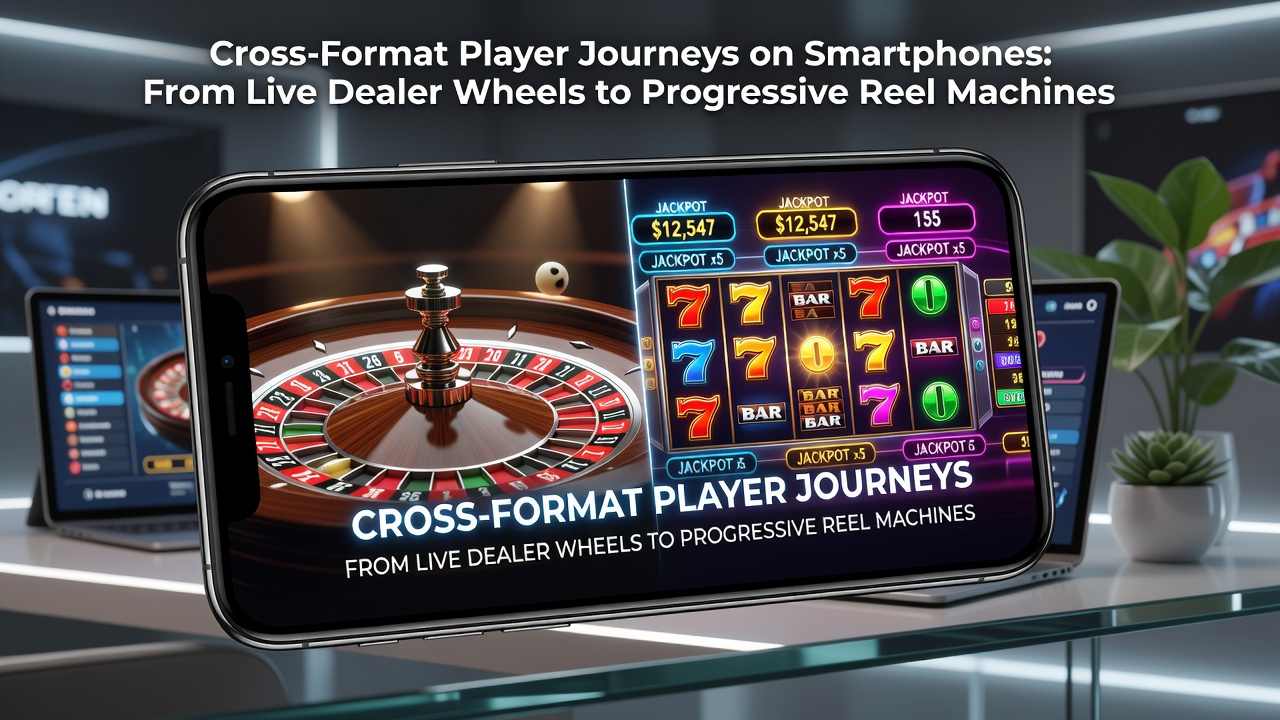
Smartphone Crossings: Player Routes from Live Dealer Wheel Games to Progressive Reel Formats
Players on smartphones often move between live dealer wheel formats and progressive reel machines as app interfaces and promotional structures evolve, with data from multiple jurisdictions showing measurable shifts in session lengths and deposit patterns during 2025 and into 2026. Research from regulatory bodies in several regions indicates that mobile users frequently begin with wheel-based games that feature real-time dealer interactions before migrating toward reel formats that accumulate larger jackpot pools over time.
Platform Mechanics Driving Format Changes
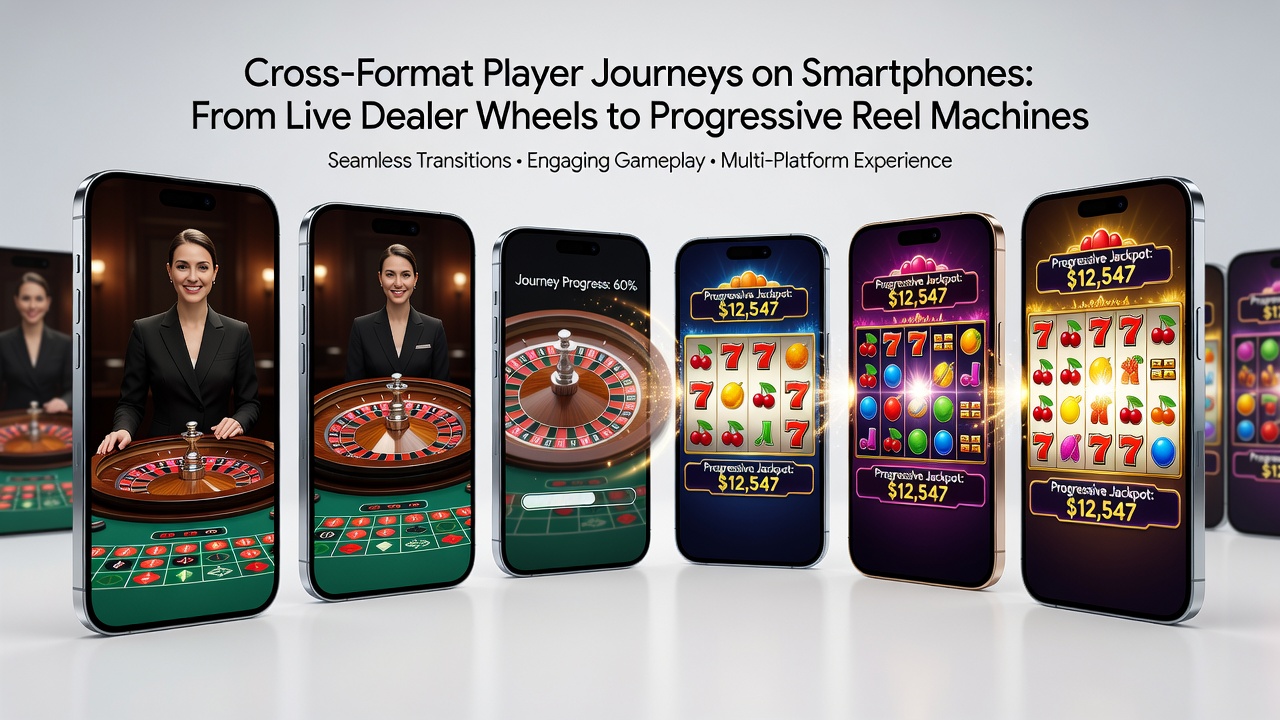
Live dealer wheel applications on smartphones rely on streaming technology and low-latency connections that allow participants to place bets alongside visible croupiers, whereas progressive reel machines operate through random number generators that build shared prize pools across networks of devices. Observers note that developers integrate seamless switching tools within single apps, enabling users to transfer balances without additional verification steps in many licensed markets. Data shows that these built-in transitions correlate with increased average play duration when operators link loyalty points across both formats.
Regional Data on Mobile Migration Trends
Figures from the New Jersey Division of Gaming Enforcement reveal that mobile sessions involving wheel games accounted for roughly 28 percent of total handle in early 2026, while progressive reel titles captured growing shares as jackpot displays updated in real time. Similar patterns appear in reports compiled by the Australian Communications and Media Authority, where cross-format activity rose notably among users aged 25 to 44 who maintained accounts on multiple device types. Those who've tracked transaction logs across platforms find that bonus structures often encourage movement from one category to the other within the same evening.
Device compatibility plays a central role because newer smartphones support higher frame rates for live streams and faster loading for reel animations simultaneously. Industry reports compiled by the Canadian Gaming Association highlight that operators investing in unified wallet systems recorded higher retention rates when players could switch categories without exiting the application. In August 2026 several major platforms expanded their cross-format challenges, allowing participants to earn combined leader-board positions that span both wheel and reel offerings.
Promotional Structures and Session Patterns
Promotional designs frequently tie wheel game participation to reel-based jackpot entries, creating pathways that researchers at academic institutions have begun to quantify through anonymized play data. One study released by the University of Nevada, Las Vegas International Gaming Institute documented that players who started sessions on live tables often completed subsequent spins on progressive machines when free spin awards carried over automatically. These mechanics reduce friction and keep activity within the same ecosystem rather than prompting users to seek separate applications.
Payment processing times and notification systems also influence the direction of movement because instant deposits appear more frequently in reel environments that display accumulating meters. Observers point out that push notifications about wheel game results sometimes redirect attention toward reel titles carrying larger progressive values at that moment. Regulatory filings from multiple European member states show similar structures emerging as operators comply with updated technical standards for multi-format integration.
Technical and Regulatory Influences on Continuity
Software providers continue to refine application programming interfaces that maintain state across formats, allowing progress on one game type to influence availability on another. Government agencies in several provinces have required operators to log these transitions for responsible gambling monitoring, which in turn generates datasets that reveal timing preferences across different time zones. The result is clearer visibility into how session starts on live wheels feed into longer reel-based play periods later in the same day.
Security protocols and age verification layers remain consistent regardless of format, which simplifies compliance while supporting uninterrupted movement between categories. Data collected through these systems indicates that users who complete verification early tend to explore both wheel and reel options within their first week of activity.
Conclusion
Cross-format journeys on smartphones continue to develop as technical capabilities and regulatory frameworks align around unified player accounts. Evidence from licensing authorities and research groups demonstrates measurable patterns of movement from live dealer wheel environments to progressive reel machines, driven by interface design, promotional linkages, and shared loyalty mechanisms. Continued collection of anonymized session data will likely clarify additional factors that shape these transitions across global markets in the months ahead.