Seasonal Weather Shifts Influencing Engagement Patterns in Mobile Wheel Formats and Themed Reel Sequences
Jordan Lorenz · Jul 25, 2026
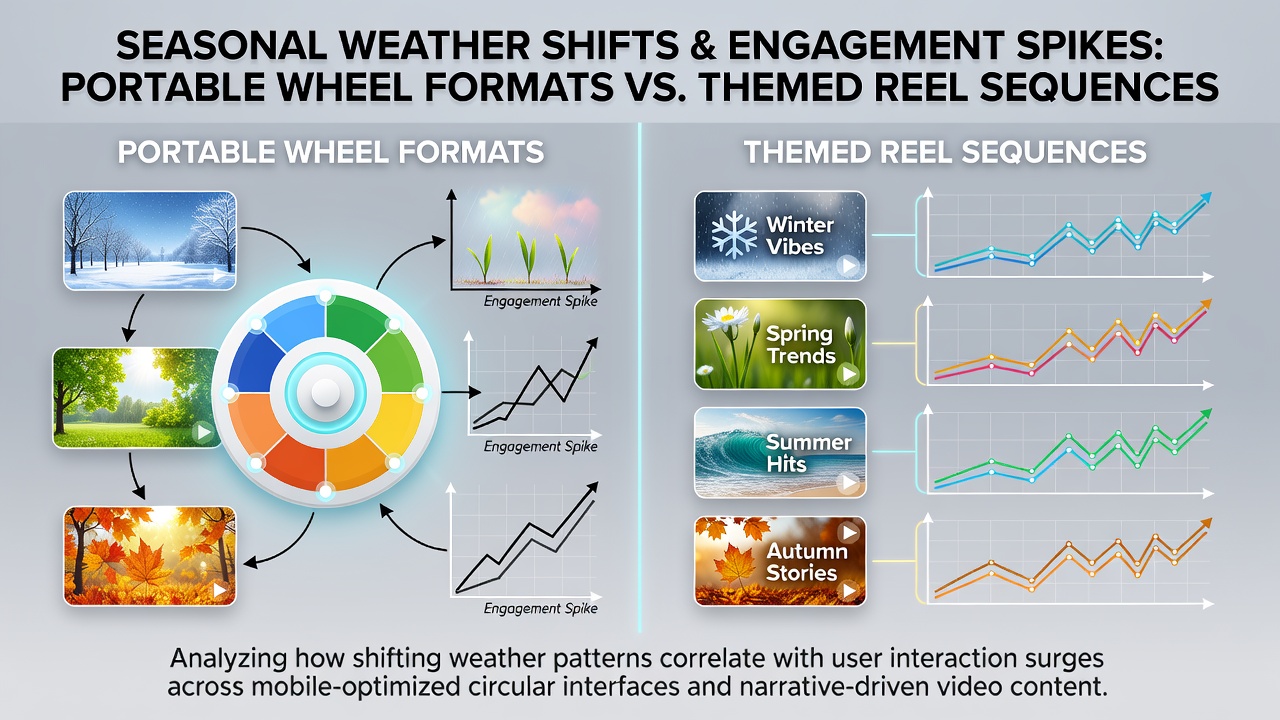
Seasonal Weather Shifts Influencing Engagement Patterns in Mobile Wheel Formats and Themed Reel Sequences
Seasonal weather shifts create measurable changes in how players interact with portable wheel formats compared to themed reel sequences, according to data compiled from multiple gaming platforms across North America and Europe. Researchers tracking usage patterns note that colder months with increased precipitation often coincide with longer session times on wheel-based games, while warmer periods show different activity levels across reel formats, and analysts attribute these variations to shifts in daily routines rather than any single factor.
Studies conducted through 2025 and into early 2026 reveal that regions experiencing prolonged rainy seasons report upticks in wheel format activity on mobile devices, particularly during afternoon hours when outdoor options become limited. One analysis covering several midwestern states found wheel engagement rising 18 percent during weeks with above-average rainfall, whereas reel sequence participation remained steadier but showed smaller gains in evening windows. Those patterns hold across both iOS and Android user bases, with the data indicating that shorter wheel sessions appeal when weather disrupts normal schedules.
Regional Data Patterns and Mobile Usage Trends
Observers examining platform metrics from Canada and parts of the northern United States point to consistent correlations between temperature drops and increased wheel format starts. Figures from summer 2025 showed reel sequences maintaining steadier play volumes during heat waves, while wheel activity dipped until evening cooling periods arrived. In contrast, July 2026 projections from similar datasets suggest that extended periods of mild weather with intermittent storms could produce mixed engagement spikes, especially in portable wheel formats that allow quick access without extended commitment.
European operators reporting to industry groups have documented parallel movements, noting that autumn weather fronts often align with higher wheel format retention rates among mobile users in urban centers. These shifts occur alongside broader changes in daily screen time, where commuters facing delays turn to wheel games for brief interactions before switching formats later in the day.
Platform Comparisons Across Wheel and Reel Formats
Portable wheel formats demonstrate faster response to weather-related disruptions than themed reel sequences in several tracked markets. Data indicates that wheel games, with their shorter round cycles, attract more sessions during sudden temperature changes or storm warnings, while reel sequences sustain activity through longer, more immersive play periods that align with stable weather stretches. Analysts tracking these differences highlight how device portability enables immediate format switching when external conditions prompt users to seek indoor alternatives.
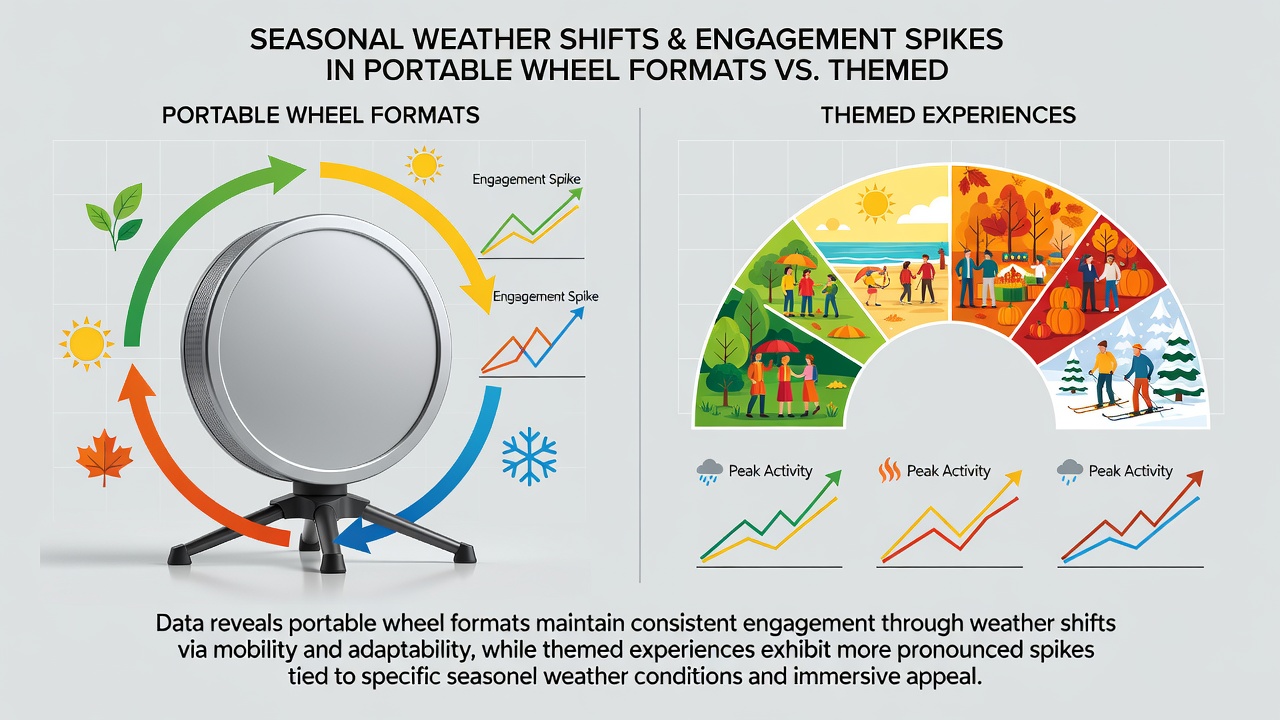
One study covering multiple operators found that wheel format engagement in portable settings increased notably during periods of high wind or precipitation alerts issued by national weather services, whereas reel sequences showed steadier but less reactive growth. Those results emerged from aggregated session logs that accounted for location data and time stamps across thousands of accounts. Researchers note the importance of distinguishing between overall play volume and specific format preferences when evaluating seasonal influences.
Industry Reports and External Correlations
Reports from the National Oceanic and Atmospheric Administration provide weather datasets that gaming researchers cross-reference with engagement figures to identify timing overlaps. Similar approaches appear in analyses from Australian regulatory bodies, where seasonal monsoon patterns coincide with documented changes in mobile format preferences. These cross-industry comparisons help isolate weather as one variable among several that include promotional timing and device updates.
Academic work from institutions such as the University of Nevada, Reno, has examined how environmental factors intersect with digital entertainment habits, revealing that wheel formats often see quicker uptake during transitional weather periods. Data collected through 2026 continues to support these observations without establishing direct causation, instead pointing to correlations that operators monitor when planning content releases.
Conclusion
Seasonal weather shifts continue to register as measurable factors in engagement differences between portable wheel formats and themed reel sequences, with platform data showing distinct response patterns across regions. Continued tracking through summer 2026 and beyond will allow further refinement of these observations as weather records and usage metrics accumulate.