Regulatory Shifts Prompt New Loyalty Transfer Mechanisms Between Mobile Wheel Games and Reel Circuits
Uma Vogel · Jun 8, 2026
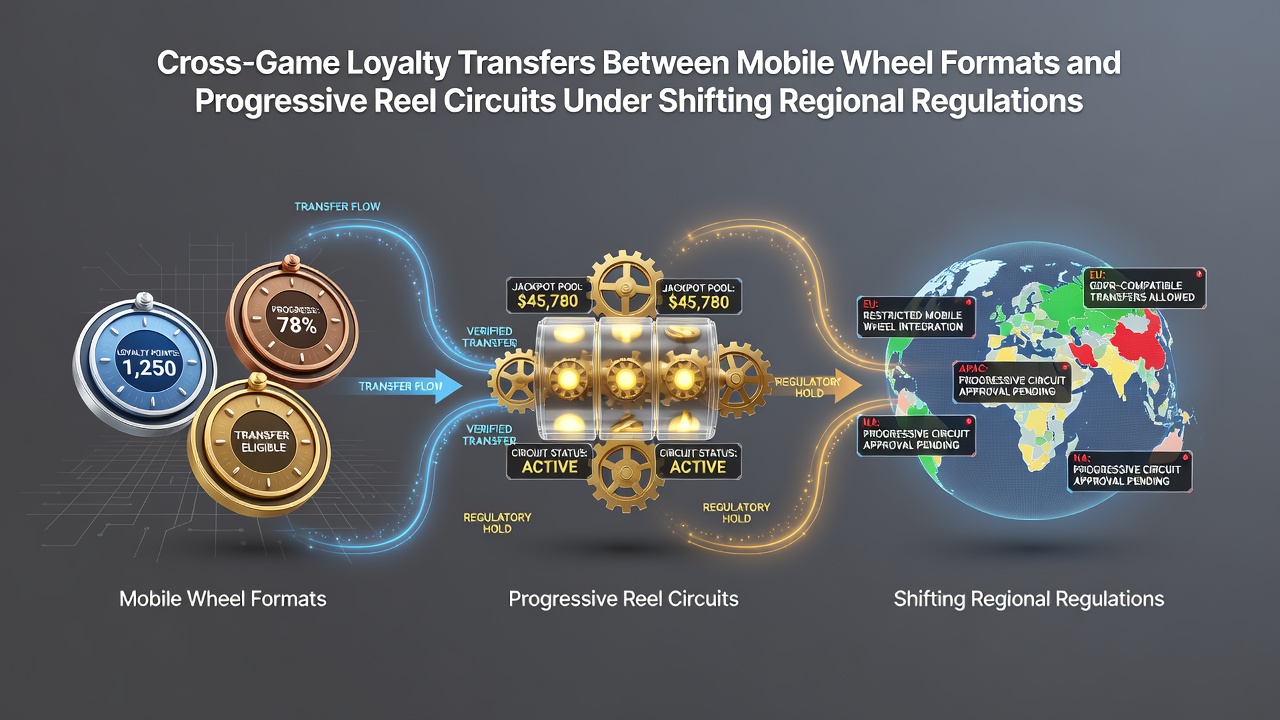
Regulatory Shifts Prompt New Loyalty Transfer Mechanisms Between Mobile Wheel Games and Reel Circuits
Regional regulatory updates continue to influence how operators handle player loyalty across mobile platforms that feature wheel formats alongside progressive reel circuits, and data from industry monitoring groups shows these changes have accelerated program redesigns in multiple markets since early 2025. Operators now face requirements to segment rewards more precisely while still permitting transfers that keep users engaged across both game types.
Wheel formats on mobile devices typically include variants of roulette and similar chance-based experiences, whereas progressive reel circuits focus on slot-style games that accumulate jackpots across networks. Loyalty systems in these environments track play through points or credits that historically stayed confined to one category, yet newer frameworks allow movement between them under controlled conditions set by local authorities.
Mechanics of Cross-Format Transfers
Transfer protocols rely on unified player accounts that record activity from both wheel sessions and reel progressions, and system logs indicate conversion rates often range between 0.8 and 1.2 points per unit depending on the jurisdiction. Software providers integrate application programming interfaces that flag eligible transactions while blocking those that violate spending caps or regional playtime limits.
One platform operator in a European market reported that enabling transfers increased overall session duration by 18 percent over six months, according to internal metrics shared with trade associations. Similar patterns emerged in North American deployments where state-level rules require explicit user consent before any cross-category movement occurs.
Regional Regulatory Influences
Jurisdictions in the Asia-Pacific region introduced updated digital gaming statutes in late 2025 that mandate clearer disclosure of transfer ratios, and compliance filings reveal several operators adjusted their mobile interfaces to display real-time conversion previews. Canadian provincial frameworks, by contrast, emphasize audit trails that document every loyalty exchange between wheel and reel products.
Australian oversight bodies updated interactive gambling guidelines around the same period, requiring operators to separate bonus funds derived from wheel play versus reel circuits before any transfer request processes. These rules took expanded effect in several states by spring 2026, prompting additional software patches that restrict automated transfers during peak jackpot periods.
Impact on Player Behavior and Retention
Research from university-affiliated gaming studies centers indicates that players who utilize cross-format transfers tend to distribute their activity more evenly across wheel and reel options rather than concentrating on a single type. Figures compiled by the American Gaming Association show mobile loyalty program participation rates rose 12 percent year-over-year in markets with permissive transfer policies.
Yet restrictions in other areas have led some providers to create parallel point pools that cannot interact, and monitoring reports from the International Association of Gaming Regulators note this segmentation approach maintains compliance while still supporting retention through category-specific rewards. In June 2026 several additional U.S. states aligned their mobile gaming rules with these segmented models, requiring operators to refresh user agreements before implementing any new transfer features.

Technical Implementation Challenges
Developers must navigate varying data localization mandates that affect how loyalty ledgers synchronize across wheel and reel environments, and encryption standards now differ by region to meet privacy expectations. Progressive jackpot networks add another layer because transfers can influence contribution percentages that feed into shared prize pools.
Case examples from operators in regulated markets demonstrate that phased rollouts, beginning with manual approval steps before moving to automated systems, reduce error rates during initial deployment. Observers note that platforms incorporating real-time regulatory rule engines experience fewer compliance flags during routine audits.
Future Outlook Under Continued Regulatory Evolution
Industry forecasts project further harmonization efforts among neighboring jurisdictions that share player bases, and working groups have begun drafting model transfer protocols that individual regulators can adapt. These discussions focus on maintaining consumer protections while preserving the flexibility that encourages cross-format engagement on mobile devices.
Conclusion
Cross-game loyalty transfers between mobile wheel formats and progressive reel circuits reflect ongoing adaptation to shifting regional regulations that prioritize transparency and player choice. Data from regulatory filings and industry reports continue to document how operators refine their systems to meet new requirements without disrupting core gameplay experiences. As additional jurisdictions finalize their approaches through 2026 and beyond, the technical and operational frameworks supporting these transfers will likely undergo further refinement based on compliance outcomes and usage patterns observed across diverse markets.