Mapping Player Migration Patterns Between Wheel Variants and Reel Formats on Portable Devices Amid Evolving Promotional Structures
Bianca Lang · May 28, 2026

Mapping Player Migration Patterns Between Wheel Variants and Reel Formats on Portable Devices Amid Evolving Promotional Structures
Player movement between different wheel variants such as American, European, and French roulette and various reel formats including classic three-reel, five-reel video, and progressive slots continues on portable devices as promotional structures shift. Data collected through mobile gaming platforms shows consistent transitions tied to bonus availability, game accessibility, and device optimization features that became more pronounced by May 2026.
Wheel Variants and Their Appeal on Mobile
Wheel variants differ in structure with American roulette featuring a double zero while European and French versions use a single zero, which alters house edge calculations and payout distributions. Mobile users access these through dedicated apps where touch interfaces allow quick spins and real-time result tracking. Research from the Responsible Gambling Council indicates that players on smartphones often start with one variant based on initial promotional offers then migrate toward others when free spin bundles or deposit matches change.
Portable device constraints such as screen size and battery life influence selection, with simpler wheel layouts performing better on smaller displays. Observers note that French roulette rules including la partage and en prison appear more frequently in mobile promotions during peak usage periods, drawing users away from American variants when those bonuses activate.
Reel Format Shifts and Device Compatibility
Reel formats range from traditional three-reel mechanical simulations to multi-line five-reel video slots with cascading mechanics and bonus rounds. On tablets and phones these formats adapt through responsive design, though progressive jackpot slots require stable connections that portable networks sometimes limit. Studies compiled by the Australian Gambling Research Centre reveal migration from classic reels to video formats occurs when promotional structures emphasize multiplier features or themed events that align with seasonal campaigns.
Key Migration Drivers in 2026
- Bonus rotation cycles that favor one format over another at specific times
- Device performance metrics including load times and touch response
- Loyalty program updates that reward cross-format play
- Regional regulatory adjustments affecting available promotions
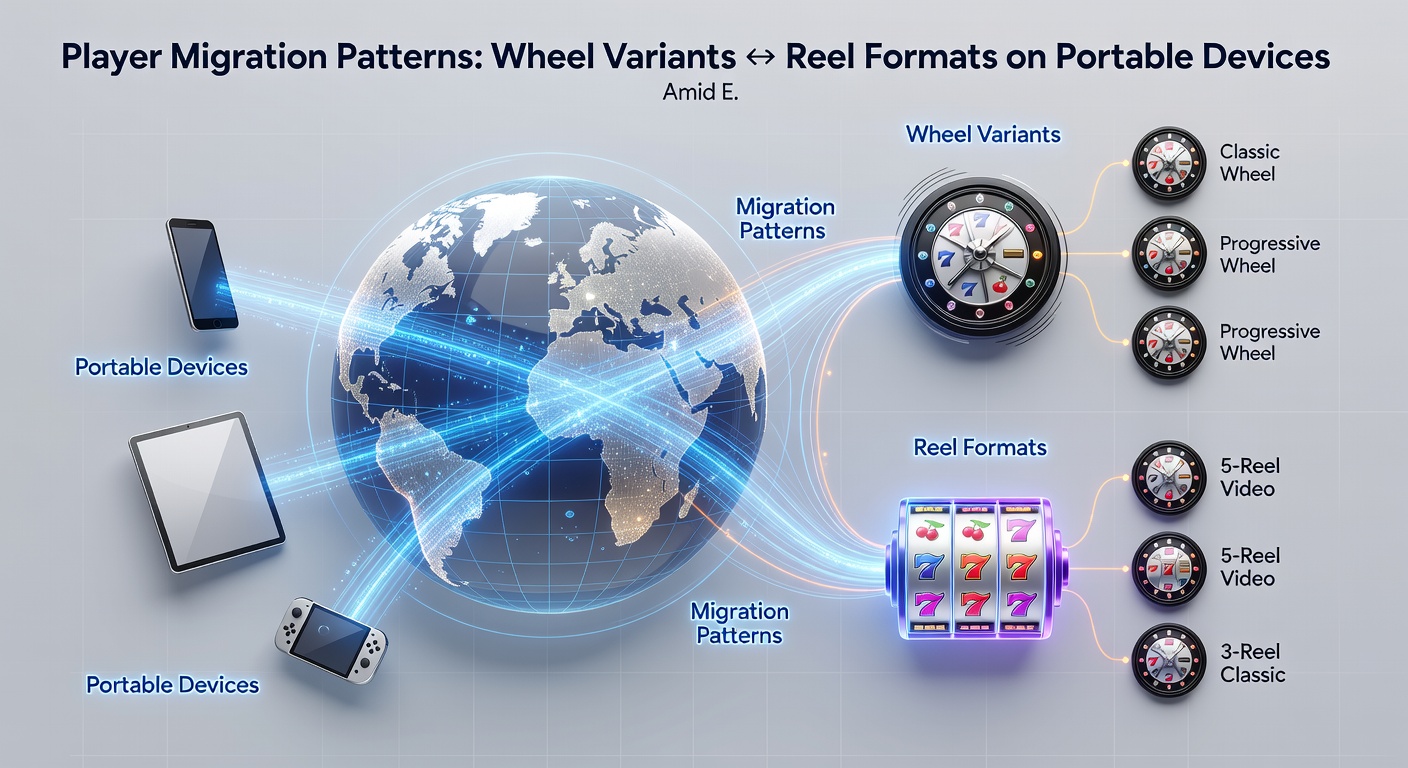
Those who track user sessions report that players frequently alternate between wheel and reel categories within single sessions when promotions overlap, such as combined free bet offers on roulette paired with slot reel bonuses. This pattern strengthened as operators refined their mobile interfaces throughout early 2026.
Promotional Structures Influencing Movement
Evolving promotional structures encompass welcome packages, reload bonuses, cashback schemes, and tournament entries that operators adjust based on player retention analytics. Figures from the National Association of Gambling Studies show that when slot reel promotions increase in value, users shift away from wheel variants temporarily, then return once wheel-specific offers refresh. The reverse holds when roulette bonuses expand to include variant-specific incentives.
Portable device users respond to push notifications and in-app messages that highlight these changes, creating measurable migration spikes. Data indicates that loyalty tiers which accumulate points across both wheel and reel play reduce abrupt switches, yet still permit gradual movement as structures evolve. In May 2026 several major platforms reported updated bonus frameworks that explicitly track cross-category activity to stabilize retention rates.
Regional Patterns and Platform Data
North American mobile markets display stronger reel-to-wheel transitions during evening hours while European users show the opposite flow during daytime sessions according to aggregated platform statistics. Canadian regulatory reports highlight how provincial frameworks affect promotional timing, leading to predictable migration waves when new offers launch. Australian research similarly documents device-based preferences where tablet users favor detailed reel animations compared with phone users who select streamlined wheel options.
These patterns emerge without direct operator intervention, driven instead by how promotional structures interact with user habits on portable hardware. Tracking tools reveal session lengths vary by format, with wheel variants often sustaining longer individual plays while reel formats encourage quicker successive sessions when bonuses stack.
Conclusion
Mapping these migration patterns requires ongoing analysis of mobile data streams, promotional calendars, and device usage metrics. As structures continue to adapt, the connections between wheel variants and reel formats on portable devices remain dynamic, shaped by measurable factors rather than static preferences. Continued monitoring through industry reports and regulatory summaries provides the clearest view of how these movements develop over time.