Decoding Cross-Platform Transitions in Digital Gambling Between Wheel-Based and Reel-Based Formats Amid Shifting Incentive Structures
Bianca Lang · Jun 20, 2026

Decoding Cross-Platform Transitions in Digital Gambling Between Wheel-Based and Reel-Based Formats Amid Shifting Incentive Structures
Digital gambling platforms continue to see users move between wheel-based games such as roulette and reel-based formats including slots, with these shifts occurring alongside changes in bonus structures and loyalty rewards that operators adjust regularly. Data from multiple jurisdictions shows that incentive modifications often coincide with measurable changes in player activity across device types, particularly on mobile applications where seamless switching between formats has become standard.
Platform Mechanics and Player Pathways
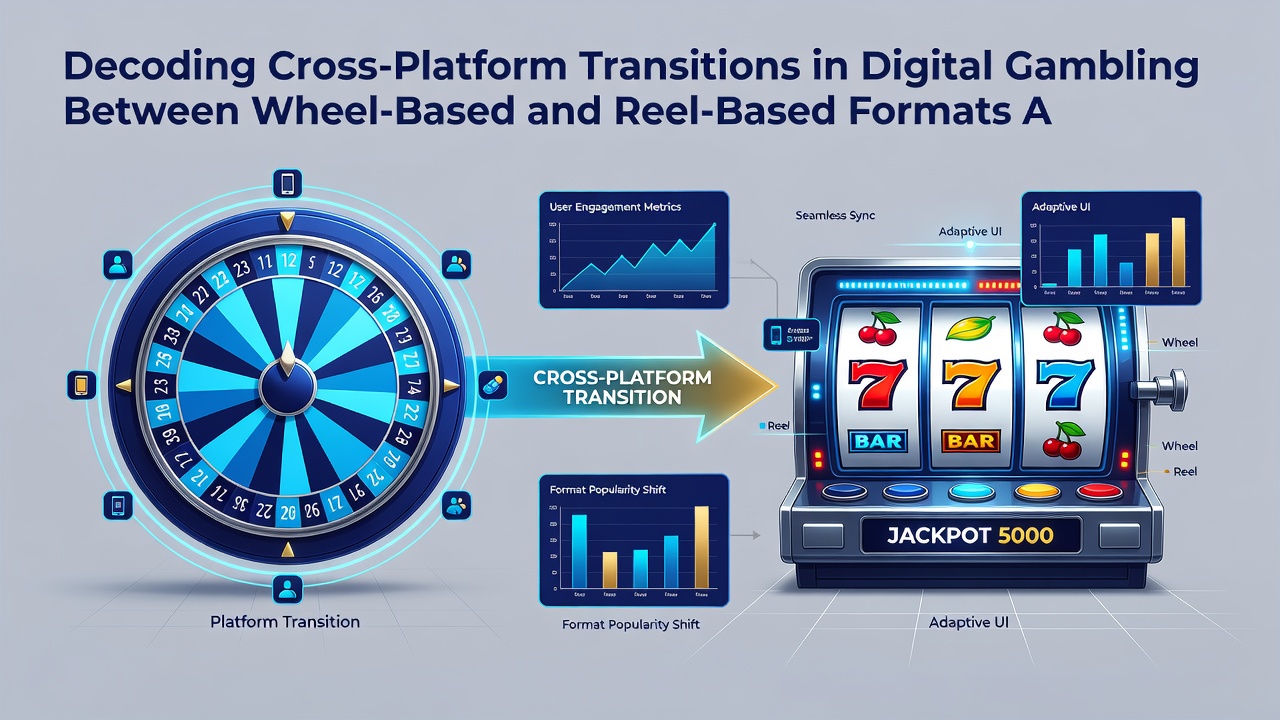
Wheel-based games operate on spinning mechanisms that determine outcomes through angular positioning, whereas reel-based titles rely on symbol alignment across fixed or variable paylines, and operators design cross-platform tools that allow accounts to transfer progress, balances, and promotional eligibility between both categories without interruption. Studies tracking user sessions indicate that players frequently begin in one format during promotional windows and migrate when reward multipliers or free-spin allocations favor the alternative category, with June 2026 figures from several North American markets revealing increased session lengths during coordinated incentive periods.
Operators integrate unified wallets and progress trackers that update in real time, enabling participants to apply loyalty points earned on reels toward wheel-based entries or vice versa, and regulatory filings from Canadian provincial bodies document how these systems reduce friction during transitions while maintaining separate volatility profiles for each game type.
Incentive Structures Driving Format Shifts
Promotional frameworks have evolved to include time-limited multipliers that apply across both wheel and reel environments, yet the distribution of these offers often tilts toward one category during specific calendar windows, prompting observable migrations documented in aggregated telemetry from platform providers. Research compiled by the Australian Gambling Research Centre demonstrates that bonus structures emphasizing reel-based accumulation during certain weeks correlate with temporary declines in wheel-based participation, followed by rebounds when wheel-specific jackpots receive enhanced seeding from operator reserves.
Players receive notifications through in-app messaging that highlight remaining eligibility windows for cross-format redemptions, and data sets from European operators indicate that such alerts accelerate movement between categories when thresholds for tier advancement require activity in both wheel and reel segments within a single reporting period. These mechanisms operate under licensing conditions that require clear disclosure of terms, with enforcement records showing consistent application across major markets.
Device-Level Patterns and Regional Data
Mobile interfaces now embed quick-toggle features that preserve game state during switches, allowing participants to move from a wheel session to a reel sequence while retaining active bonuses, and usage logs from major providers confirm higher transition rates on tablets compared with desktop clients during evening hours. Figures released by iGaming Ontario in early 2026 highlight that cross-format play accounts for an increasing share of total handle in the province, with incentive-linked migrations contributing to sustained engagement metrics.
Academic analyses from the University of Nevada Reno have examined how volatility preferences interact with promotional timing, revealing that users who favor lower-variance reel play often sample wheel variants when deposit-match offers carry over between categories. These patterns appear consistently in anonymized datasets spanning multiple operators, independent of specific branding approaches.
Regulatory Oversight and Compliance Frameworks
Licensing authorities in various regions require operators to maintain audit trails for incentive redemptions that span wheel and reel products, ensuring that transitions do not circumvent responsible gaming limits or age-verification protocols, and compliance reports submitted to state gaming control boards document adherence through automated monitoring systems. Such requirements have prompted development of standardized APIs that log format switches alongside bonus utilization, creating verifiable records for periodic review.
Industry associations including the Canadian Gaming Association publish aggregated statistics that track overall movement between game categories without disclosing proprietary operator data, providing stakeholders with benchmarks for evaluating the impact of incentive adjustments over successive quarters. These reports note steady integration of cross-platform features alongside regulatory updates that standardize disclosure practices.
Conclusion
Cross-platform transitions between wheel-based and reel-based digital gambling formats reflect ongoing adjustments in incentive design, supported by technical infrastructure that facilitates movement while meeting oversight standards across jurisdictions. Available data through June 2026 illustrates measurable patterns in session behavior tied to promotional calendars, with operators and regulators continuing to refine systems that accommodate both player preferences and compliance obligations. Continued monitoring by research institutions and licensing bodies supplies the factual basis for understanding these dynamics as they develop.