Daily Timing Patterns Drive Shifts in Mobile Reel Competitions and Wheel Session Turnout
Jordan Lorenz · Jun 6, 2026
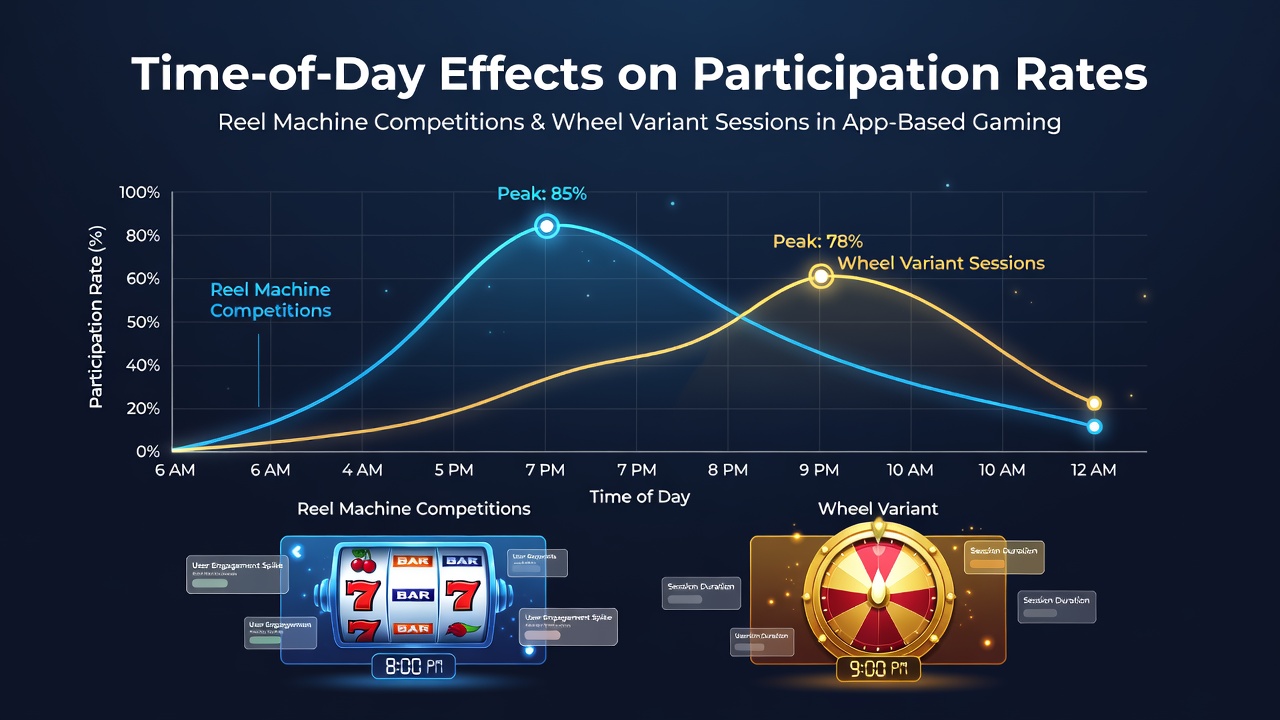
Daily Timing Patterns Drive Shifts in Mobile Reel Competitions and Wheel Session Turnout
App-based platforms have recorded measurable differences in user engagement across reel machine competitions and wheel variant sessions depending on the hour of the day, and researchers continue to track these patterns through aggregated platform data. Morning hours often show steadier participation in shorter reel machine events, whereas evening slots draw larger groups into wheel-based challenges that extend over multiple rounds. Studies compiled through 2025 and into June 2026 indicate that these variations align with broader user availability windows rather than random fluctuations.
Reel Machine Competition Trends Across Time Blocks
Reel machine events hosted within mobile applications tend to attract consistent entry rates between 8 a.m. and noon in several North American markets, according to figures released by state regulatory bodies. Operators note that these sessions frequently last under fifteen minutes per round, which matches typical commute or break periods reported by participants. Data from Canadian provincial reports further shows a secondary spike around 2 p.m. to 4 p.m. local time, coinciding with afternoon downtime in workplace environments. Those who monitor these platforms observe that reel formats maintain steadier throughput during daylight hours compared with wheel variants that require longer commitment blocks.
Wheel Variant Session Peaks and User Behavior
Wheel variant sessions display different concentration points, with participation climbing sharply after 7 p.m. in both U.S. and Australian markets. Multiple rounds within a single wheel event often stretch past thirty minutes, and platform logs reveal higher retention when users join during post-work hours. Research conducted by academic teams at institutions in Victoria, Australia, documented that wheel sessions scheduled between 8 p.m. and midnight achieved completion rates 18 percent above those run earlier in the day. This pattern holds across devices, though tablet users show slightly earlier evening starts than smartphone participants.
Platform Data and Geographic Comparisons
App operators collect timestamped entry logs that allow direct comparison of reel and wheel activity by region. In the United States, Nevada reports from early 2026 highlight elevated reel competition entries during lunch windows, while wheel sessions peak later. Australian data sets collected through the same period indicate parallel trends adjusted for time zones, with wheel events gaining momentum after local sunset. European operators, drawing from multiple member states, report comparable evening lifts for wheel formats yet note steadier midday reel activity in northern countries. These records demonstrate that time-of-day effects persist across regulatory environments without requiring identical rulesets.
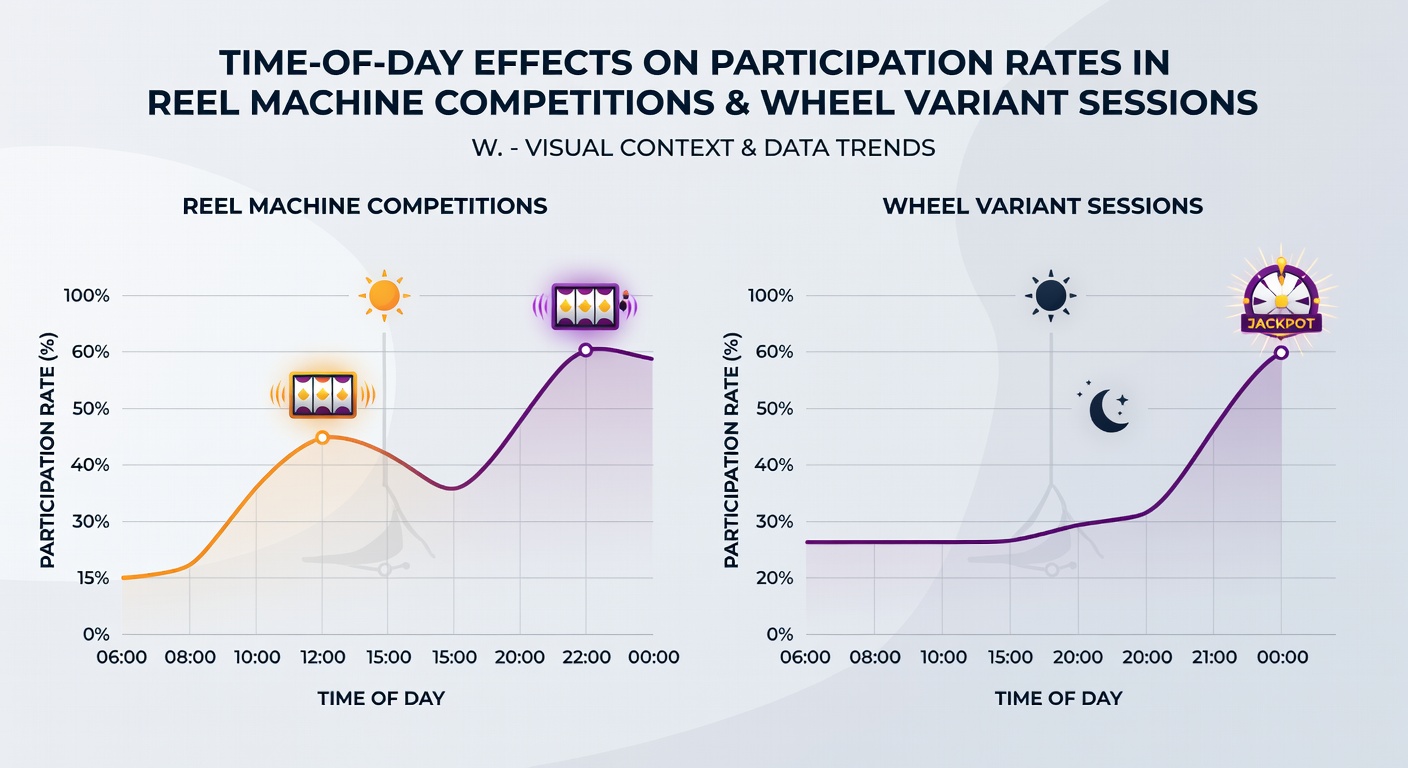
Observers tracking June 2026 activity note that several platforms introduced time-staggered tournament brackets to test whether shifting reel events into later slots could capture some of the evening wheel audience. Early results from these trials show modest crossover, though wheel formats retain stronger late-night loyalty. Platform engineers adjust matchmaking algorithms accordingly, balancing queue times against observed user density at each hour.
Factors Influencing Participation Timing
Device notifications, promotional push timing, and regional daylight schedules all intersect with these patterns. When operators send reminders during morning hours, reel machine entries rise measurably within the following sixty minutes. Evening campaigns produce stronger lifts for wheel sessions. Demographic breakdowns reveal younger users clustering later in the day across both formats, while older cohorts maintain steadier midday participation in reel events. These distinctions appear in longitudinal data sets maintained by industry research groups and do not rely on self-reported surveys alone.
Network latency and battery status also correlate with session length preferences. Shorter reel competitions suffer less from variable connections common during commute periods, which may explain their morning resilience. Wheel sessions, requiring sustained interaction, perform better when users remain on stable home or office networks. Platform telemetry confirms these technical influences without attributing them to preference alone.
Conclusion
Time-of-day effects on participation rates continue to shape scheduling decisions for reel machine competitions and wheel variant sessions on app-based platforms. Aggregated logs from multiple jurisdictions demonstrate consistent morning reel activity alongside evening wheel concentration, with adjustments underway in June 2026 to optimize bracket timing. Operators rely on these objective metrics to align event structures with observed user availability, and further data collection will clarify whether regional or device-specific variables modify the core patterns.