Coordinated Reward Cycles Trigger Shifts in Prize Distributions Across Digital Wheel and Reel Systems
Noah Franke · Jul 11, 2026
Coordinated Reward Cycles Trigger Shifts in Prize Distributions Across Digital Wheel and Reel Systems
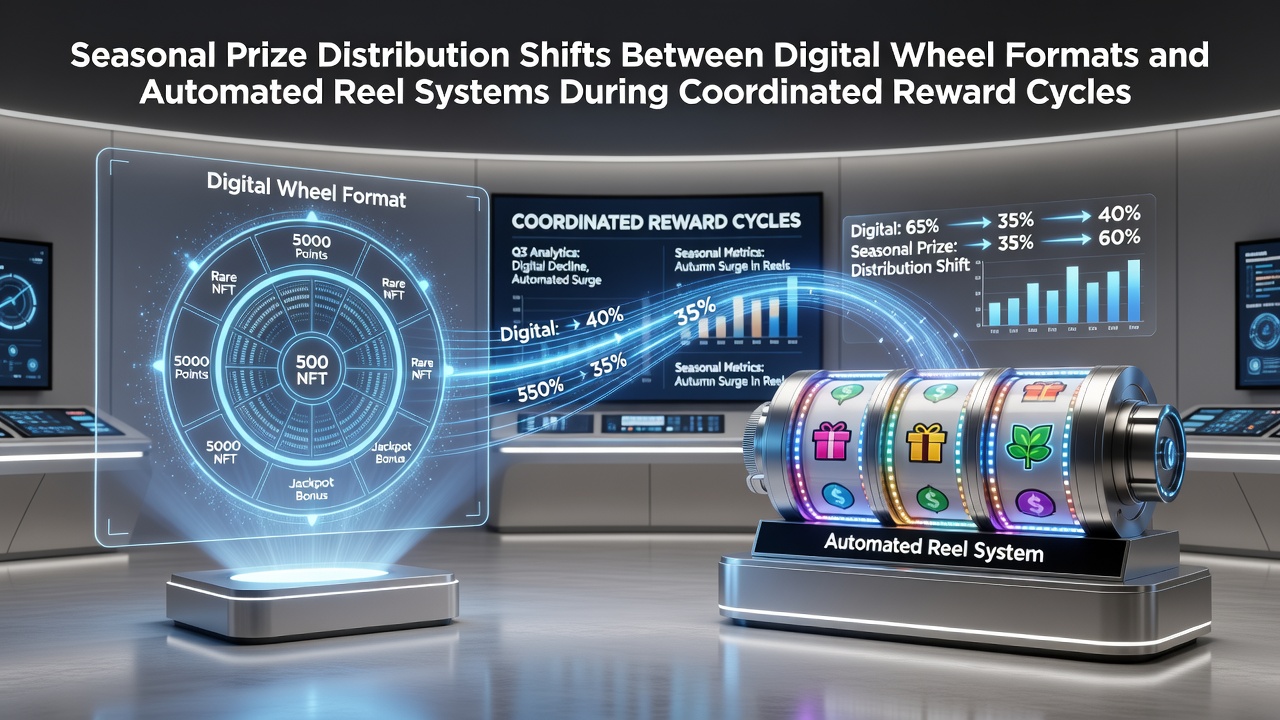
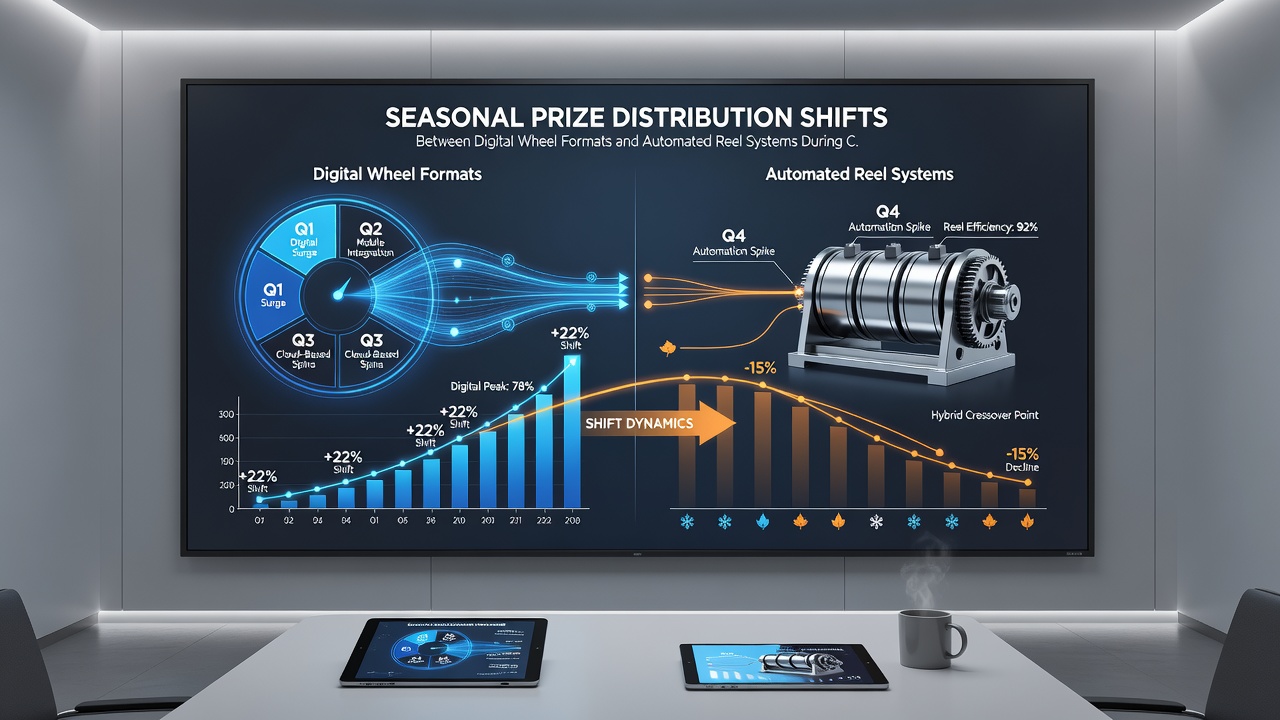
Digital wheel formats and automated reel systems operate under coordinated reward cycles that adjust prize distributions on a seasonal basis, and operators track these adjustments through platform analytics that record player engagement levels across both formats. Research from industry reports shows that prize pools allocated to digital wheels often increase during summer months while reel systems receive larger shares in winter periods, a pattern that emerges from synchronized promotional calendars used by multiple gaming venues. Data compiled through July 2026 indicates these shifts occur when reward cycles align promotional triggers with seasonal player activity peaks, creating measurable changes in payout ratios between the two formats.
Mechanics Behind Seasonal Adjustments
Coordinated reward cycles function through shared backend systems that link digital wheel spins to reel-based bonus rounds, allowing operators to redistribute prize values without disrupting overall return-to-player percentages. Observers note that these systems rely on algorithms which monitor session durations and bet volumes, then recalibrate prize tiers accordingly. For instance, when digital wheel participation rises in spring, the algorithms shift a portion of the total reward pool toward reel systems to maintain balanced engagement across both formats, and this process repeats at quarterly intervals tied to calendar seasons.
Platform operators implement these changes by updating the underlying reward parameters, which affect how progressive jackpots accumulate and distribute across wheel variants and reel configurations. Studies from academic research centers have documented similar patterns in multiple jurisdictions, where seasonal factors such as holiday travel and local events influence the timing of these reallocations. The adjustments ensure that neither format dominates the promotional landscape for extended periods, thereby sustaining player interest through varied prize opportunities.
Player Migration Patterns and Format Preferences
Player behavior data reveals consistent migration between digital wheels and automated reels when reward cycles enter new phases, with participants moving toward whichever format currently offers elevated prize tiers. Analysts tracking portable device sessions find that wheel formats attract higher volumes during periods when seasonal bonuses emphasize multiplier effects, whereas reel systems draw increased play when reward cycles prioritize accumulated free-spin mechanics. These movements occur within the same coordinated frameworks, so players experience seamless transitions without needing to switch accounts or platforms.
One study revealed that session lengths on digital wheels extend by measurable margins when prize distributions favor wheel-based outcomes, yet reel participation rebounds quickly once the cycle rotates allocations back toward automated systems. Such patterns appear across multiple gaming environments, suggesting that coordinated reward structures effectively guide player attention without requiring direct intervention from operators.
Regulatory and Operational Considerations
Gaming authorities in various regions require operators to document prize distribution changes that occur during coordinated reward cycles, ensuring transparency in how seasonal adjustments affect player outcomes. The Nevada Gaming Control Board maintains reporting standards that capture these shifts, while similar oversight exists through the Queensland Government Statistician's Office for Australian venues. These records help verify that overall payout percentages remain within approved ranges even as allocations move between formats.
Operational teams at gaming properties update their internal systems to reflect seasonal parameters, coordinating with software providers to implement the necessary code changes. This process typically begins several weeks before each new cycle, allowing time for testing and compliance verification. Data indicates that such preparations reduce the likelihood of discrepancies when prize distributions activate on schedule.
Impact on Promotional Structures
Promotional calendars integrate these seasonal shifts by aligning marketing campaigns with the updated prize allocations, directing attention toward the format receiving the larger share during any given period. Marketing materials highlight wheel-based rewards during months when digital formats receive boosted pools, then transition focus to reel systems once allocations rotate. This approach maintains consistent promotional visibility without overlapping conflicting incentives.
Figures reveal that venues employing coordinated reward cycles experience steadier overall participation rates compared to those using static prize structures, because the seasonal adjustments prevent prolonged dominance by any single format. Operators monitor these outcomes through aggregated session data, adjusting future cycles based on observed trends.
Conclusion
Seasonal prize distribution shifts between digital wheel formats and automated reel systems continue to evolve under coordinated reward cycles, supported by data collection practices and regulatory oversight that track these movements across jurisdictions. The patterns established through July 2026 demonstrate how synchronized systems maintain balance while responding to seasonal player activity. Continued monitoring by operators and authorities will shape future adjustments in these reward frameworks.