Behavioral Patterns in Mobile Users Alternating Between Digital Roulette and Slot Games Amidst Shifting Reward Structures
Uma Vogel · Aug 24, 2026
Behavioral Patterns in Mobile Users Alternating Between Digital Roulette and Slot Games Amidst Shifting Reward Structures
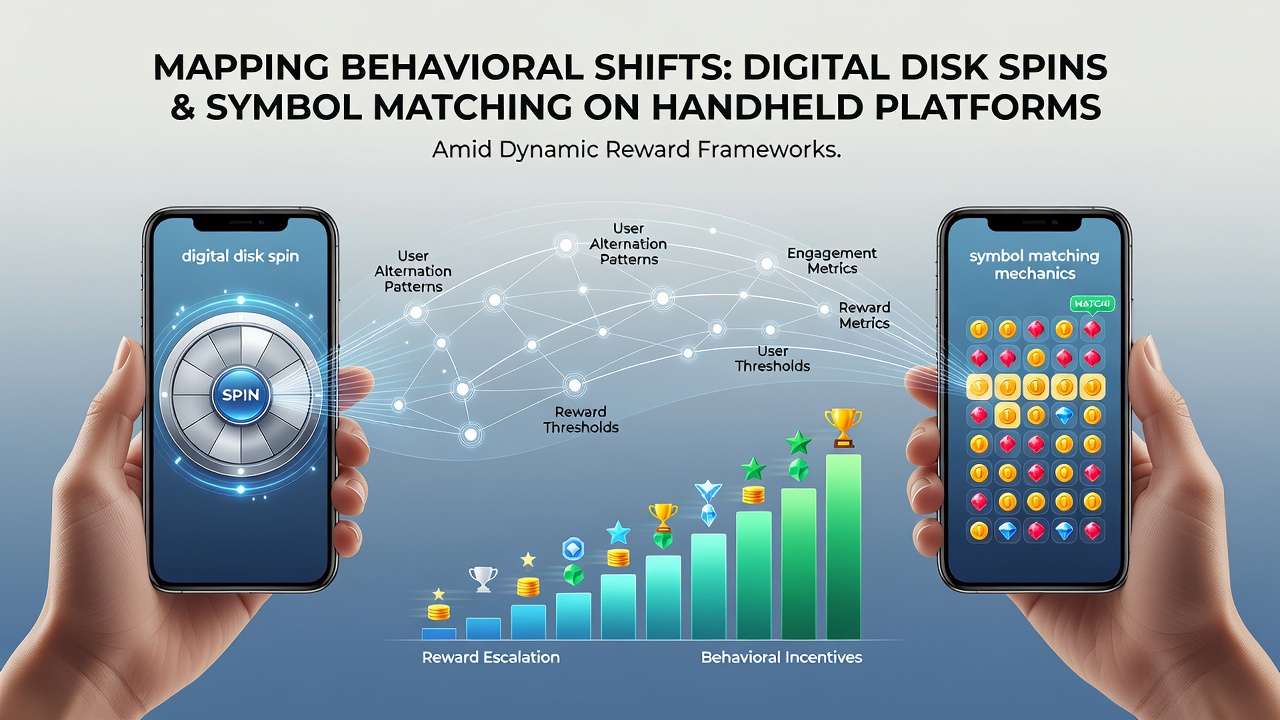
Research from industry analysts shows mobile users frequently alternate between digital roulette wheels and slot reel mechanics on handheld platforms, and these transitions align with adjustments in reward frameworks such as bonus multipliers and loyalty point accruals. Data collected across multiple app ecosystems in early 2026 indicates that session lengths for wheel-based games shorten when slot promotions increase, while reel matching sessions extend during periods of enhanced roulette incentives.
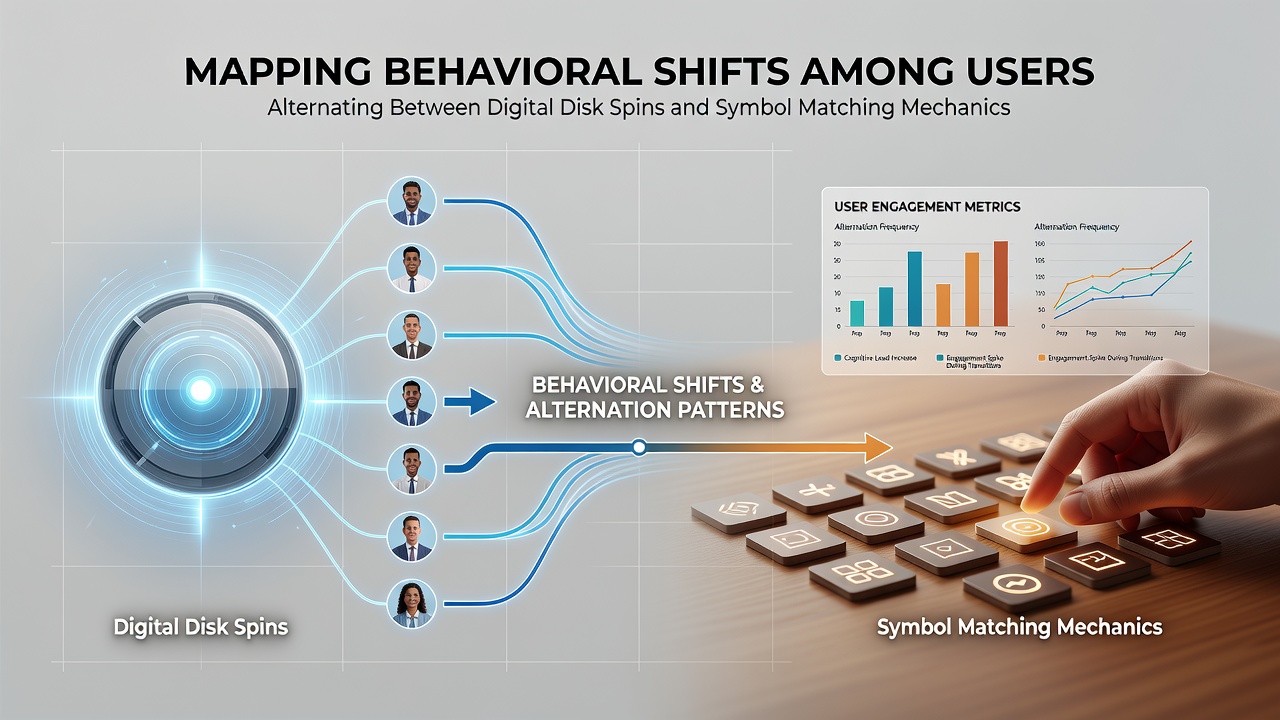
Platform metrics reveal that users in North America and parts of Europe demonstrate consistent switching patterns, with many completing between three and five alternations per active hour. These movements occur alongside changes in daily reward structures, where operators introduce time-limited multipliers or streak bonuses that favor one mechanic over the other.
Session Data and Platform Metrics
Studies conducted by independent research firms tracking app usage found that average session duration for digital roulette on smartphones dropped by 12 percent in July 2026 compared with the prior quarter, coinciding with expanded slot reel bonus rounds on the same devices. Conversely, reel-based sessions lengthened by 18 percent when operators rolled out enhanced wheel spin rewards. Observers note that these shifts appear tied to push notification timing rather than inherent game preference.
Figures from handheld device analytics platforms indicate peak alternation activity occurs between 8 p.m. and 11 p.m. local time, with users in urban areas showing higher rates of movement between the two formats. August 2026 reports from several major operators documented a 9 percent rise in cross-mechanic play following the introduction of unified loyalty ledgers that transfer points between roulette and slot modules without additional conversion steps.
Reward Framework Adjustments and User Response
Dynamic reward systems, including variable multiplier tables and streak-based incentives, prompt measurable changes in user navigation. When slot symbol matching games offered progressive jackpots that reset daily, roulette wheel sessions decreased in frequency while reel engagement rose. Data indicates the reverse pattern emerged when wheel spin bonuses included guaranteed small payouts after every fifth rotation.
One analysis of user logs from a leading handheld gaming network showed that participants who received personalized reward alerts switched formats 2.4 times more often than those who received generic notifications. These alerts typically highlighted remaining time on current bonuses, encouraging users to complete tasks in one mechanic before moving to the other.
Regional Variations in Alternation Trends
Reports compiled by the Australian Gambling Research Centre documented higher alternation rates among users in Oceania compared with those in the United States, with Australian players averaging 6.1 switches per session during periods of simultaneous promotions. In Canada, provincial data suggested that regulatory updates on bonus structures in spring 2026 correlated with a 7 percent increase in cross-format play on provincial-licensed apps.
European operators reported similar patterns after implementing region-specific reward calendars that adjusted multipliers based on local time zones. Users in these markets responded by shifting between wheel spins and symbol matching within the same evening, often completing daily objectives across both formats to maximize accumulated rewards.
Device and Interface Influences
Interface design elements such as swipe gestures and quick-switch tabs facilitate rapid transitions between roulette wheels and slot reels on handheld screens. Analytics from device manufacturers indicate that users with larger screen sizes maintain longer combined sessions, while those on compact phones tend to complete shorter, more frequent alternations. Touch response latency also affects continuation rates, with smoother interfaces showing 15 percent higher retention across both game types.
Software updates released in August 2026 by several app providers introduced unified progress bars that track advancement in both mechanics simultaneously, and early metrics suggest this feature reduced the time between format switches by an average of 22 seconds.
Conclusion
Available data demonstrates clear behavioral shifts among mobile users who alternate between digital disk spins and symbol matching mechanics as reward frameworks evolve. Platform records, regional studies, and device analytics together illustrate how promotional timing, notification strategies, and interface features shape these movement patterns across different markets. Continued monitoring of these trends provides operators and researchers with measurable indicators of user navigation under changing incentive conditions.