Audio Visual Components Driving Interaction Metrics in Browser Based Casino Wheel and Slot Interfaces
Noah Franke · Jun 13, 2026
Audio Visual Components Driving Interaction Metrics in Browser Based Casino Wheel and Slot Interfaces
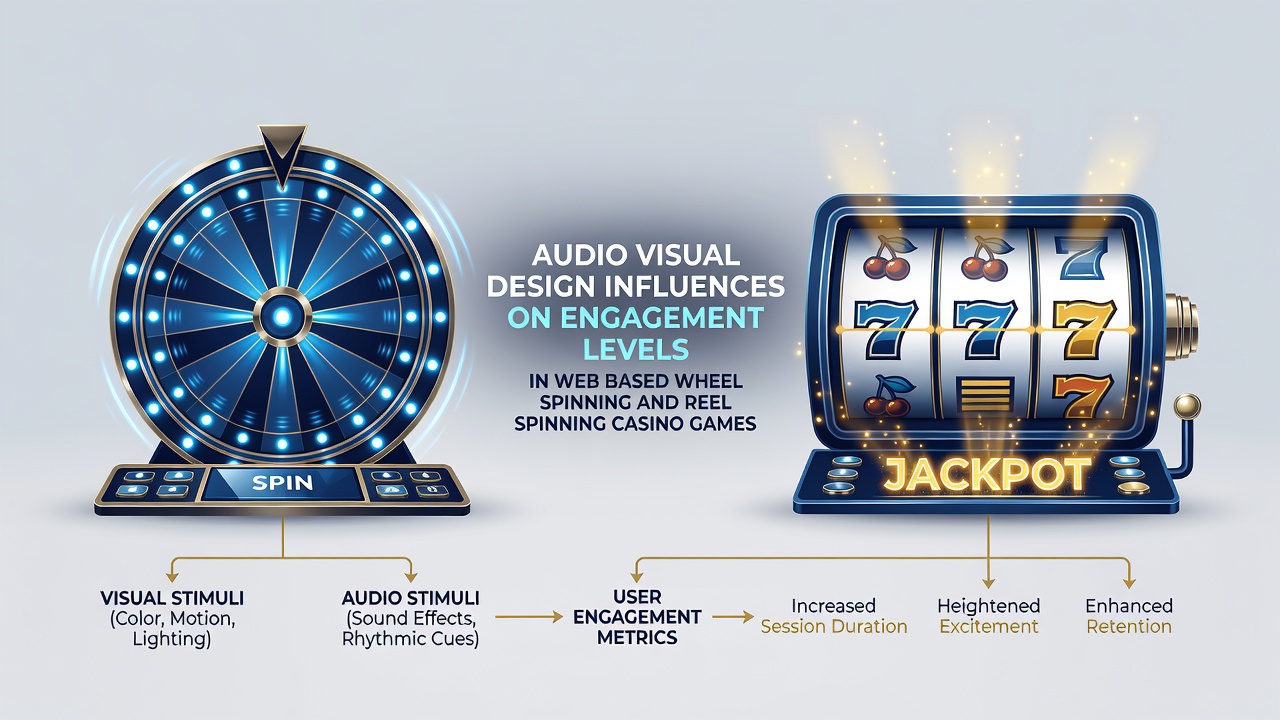
Web based platforms that feature wheel spinning games like roulette and reel spinning formats such as slots rely on carefully calibrated audio visual designs to maintain user sessions, and researchers tracking these interfaces note measurable shifts in time spent and repeat visits when specific sensory cues align with game mechanics. Data collected across multiple operator dashboards shows that synchronized sound triggers paired with dynamic visual feedback correlate with higher completion rates for bonus rounds, while mismatched elements tend to prompt quicker exits. Observers note that platforms updated their rendering engines in early 2026 to support higher frame rate animations, and those changes coincided with reported increases in average session duration across both wheel and reel categories.
Sound Design Patterns Across Wheel and Reel Formats
Audio layers in wheel spinning experiences often incorporate rhythmic builds during ball deceleration phases, which studies link to sustained attention spans because players hear progressive tension cues that mirror physical table dynamics. Reel based games meanwhile deploy layered chimes and escalating tones during symbol alignments, and analysts from industry monitoring firms report that these audio progressions can extend play sequences by guiding focus toward accumulating win indicators. In June 2026 several browser operators introduced adaptive volume scaling that responds to user device sensors, allowing ambient casino floor recordings to fade during high intensity reel spins while maintaining consistent wheel click effects. Those adjustments emerged after internal metrics revealed that abrupt audio shifts previously reduced completion rates for multi spin sequences.
Visual Animation Techniques and Their Measured Effects
Color gradients and particle effects around spinning wheels create focal anchors that researchers associate with reduced distraction rates during betting windows, whereas reel animations emphasize sequential symbol reveals through motion blur and highlight bursts. Figures from platform analytics indicate that games employing parallax scrolling backgrounds in reel interfaces retain users longer during free spin modes compared to static backdrops, while wheel variants benefit from rotational perspective shifts that simulate depth. Experts tracking user heat maps observe that visual cues highlighting upcoming wheel segments encourage more frequent bet adjustments, and similar highlighting on reel paylines correlates with increased line activation selections. One case where developers refined transition timings between spins showed a documented uptick in consecutive game loads without page refreshes.
Integrated Sensory Cues and Cross Format Comparisons
Combined audio visual sequences that align wheel deceleration sounds with visual slowdown animations produce engagement patterns distinct from those in reel formats, where continuous reel motion pairs with anticipatory jingles. Reports compiled by academic groups at institutions monitoring digital gambling interfaces reveal that cross platform users migrate more readily between wheel and reel titles when both employ consistent haptic feedback triggers tied to visual flashes. In June 2026 data releases from multiple regional operators highlighted that titles using unified color palettes across wheel and reel sections experienced steadier traffic flows during promotional periods. Those findings emerged alongside broader platform updates that standardized particle systems for win celebrations regardless of game type.
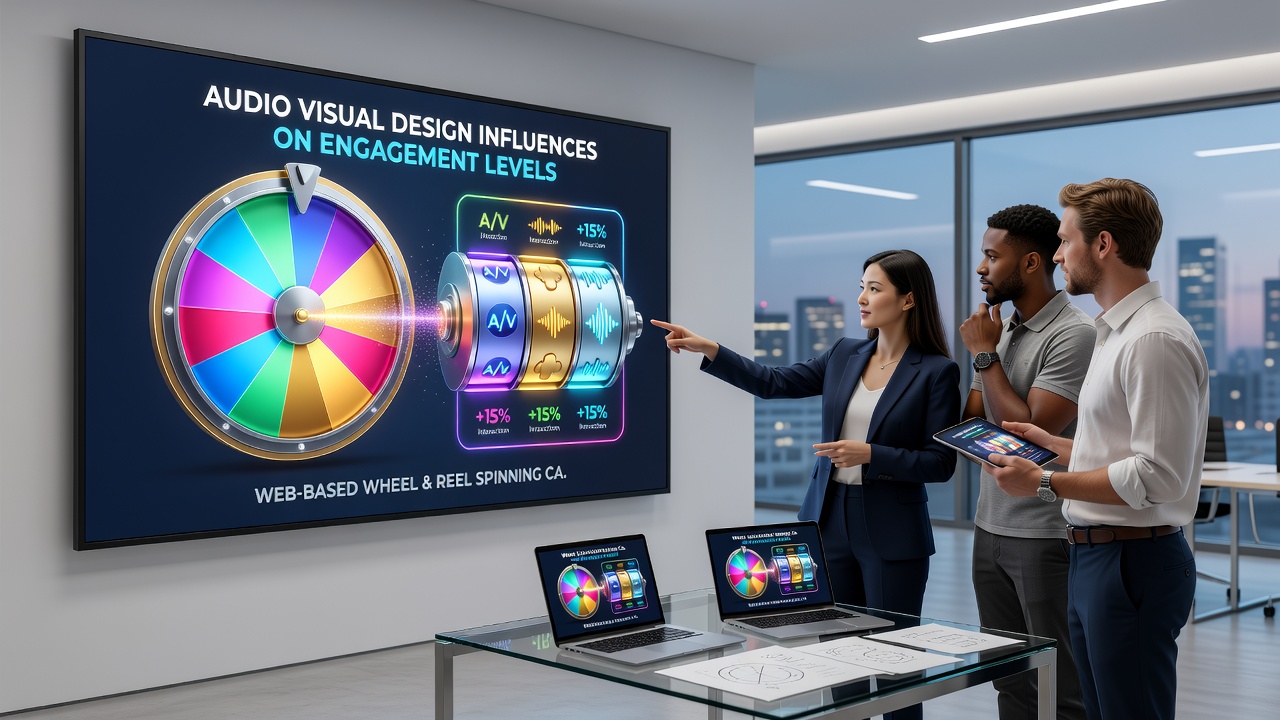
Platform logs further demonstrate that reel spinning games incorporating voice over narrations during bonus triggers maintain session continuity at rates comparable to wheel games that use escalating crowd sound beds during final ball revolutions. Analysts comparing these approaches note that reel formats gain additional dwell time when visual multipliers appear alongside audio swells, while wheel interfaces see similar retention when sector colors pulse in time with spin completion tones. Canadian regulatory summaries from the same period documented parallel trends in licensed online environments, where operators reported consistent session metrics after implementing responsive lighting simulations that react to win probabilities.
Platform Evolution and Data Trends Through Mid 2026
Browser compatibility improvements rolled out across major hosting services allowed for more precise synchronization of audio visual assets, and operators capitalized on these upgrades by testing variable frame rate deliveries that adjust based on connection stability. Evidence from aggregated session data shows that wheel spinning titles with adaptive visual density maintained engagement levels during peak traffic hours, whereas reel formats using simplified animations during lower bandwidth periods preserved completion rates for extended sequences. Industry reports compiled by groups such as the Canadian Centre for Gaming Research track these variables across licensed sites, revealing that integrated sensory designs reduce navigation away from active game windows. Australian monitoring bodies released complementary figures in the same timeframe that aligned with these observations for cross regional user cohorts.
Conclusion
Audio visual configurations in web based wheel and reel casino environments continue to demonstrate measurable connections to engagement indicators through synchronized cues and adaptive rendering, with platform updates through June 2026 further refining these relationships across device types. Data compiled from regulatory summaries and operator analytics consistently map specific design choices to session patterns without establishing direct causation in every instance. Continued monitoring by research institutions will likely clarify additional variables as rendering standards advance and user interfaces incorporate new sensory layers.